Shoulder

do i have to have surgery for a rotator cuff tear 62767fac148b3

Do I Have to Have Surgery for a Rotator Cuff Tear?
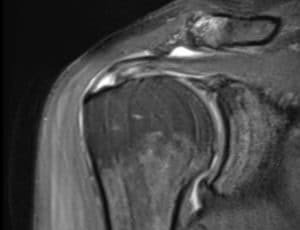
do i have to have surgery for a rotator cuff tear 62767fac148b3Do I have to have surgery for my rotator cuff tear?

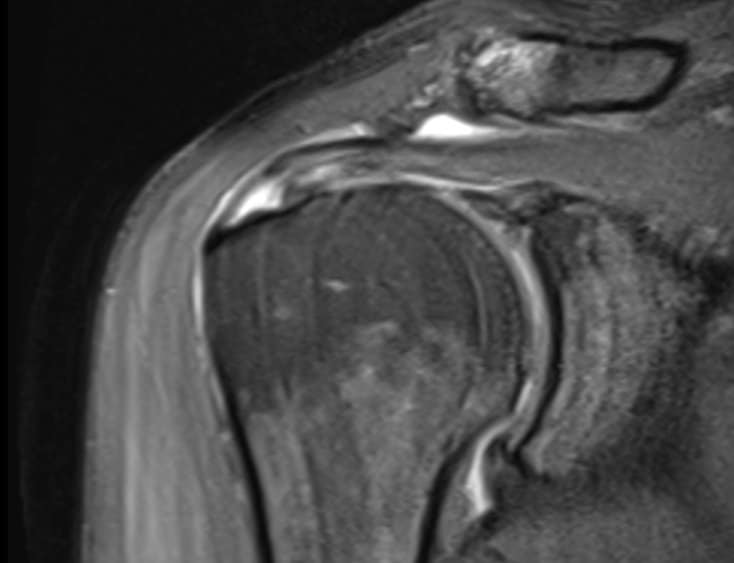
You may have recently been given a diagnosis of rotator cuff tear. Often, this can be given by a surgeon based on physical exam, a physical therapist based on your symptoms, or even based on imaging studies such as x-rays or MRI.

This diagnosis may lead to many questions for you.

Some patients think that just because rotator cuff tear is present, there is an immediate need for surgery. This is not actually true, as rotator cuff tears come in many different “flavors.” That is why it is very important to allow a shoulder expert like Dr. Johnny Nelson to examine your shoulder and discuss your unique situation with you.

It is important and helpful to look at the rotator cuff like a rope made out of a bunch of fibers. Some ropes are extremely new and extremely healthy, completely intact without any tearing or fraying. Other ropes may have some tearing and fraying of the fibers but overall remained intact. Then again other ropes may be completely torn, cut, or snapped and unable to be used.

The rotator cuff tendon is the same way.

Some patients have completely intact rotator cuff, with no tearing or fraying or even inflammation. Some patients have mild tearing of a few of the muscle and tendon fibers, while some patients have complete tears where the muscle is not connected to the bone.

We do have some evidence that smaller rotator cuff tears are less likely to become large tears, possibly scarring in place and healing. We also have evidence that large rotator cuff tears are more likely to get larger over time, and are less likely to be repairable the longer they are left without repair.

As a general rule, younger more active patients with more severe tears are more likely to be offered surgery and are more likely to respond well to that surgery. Patients with small tears are less likely to be offered surgery because there is evidence that these patients will often heal without surgery. However, even for small tears surgery is sometimes offered when treatments such as physical therapy, anti-inflammatory medications, and injections do not bring lasting relief of their pain and weakness.

If you have been told that you have a rotator cuff tear, or if you have been told that you need surgery on your shoulder, do not hesitate to make a visit to see Dr. Johnny Nelson to discuss your shoulder.

Sometimes knowing is half the battle!


Do I Have to Have Surgery for a Rotator Cuff Tear? Read More »
when are injections used to treat shoulder pain 62767f972a339

When Are Injections Used to Treat Shoulder Pain?

when are injections used to treat shoulder pain 62767f972a339

When Are Injections Used To Treat Shoulder Pain?

The answer to this question depends on the cause of your shoulder pain as well as the type of injection being considered.

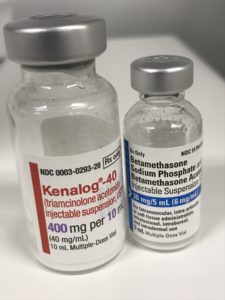
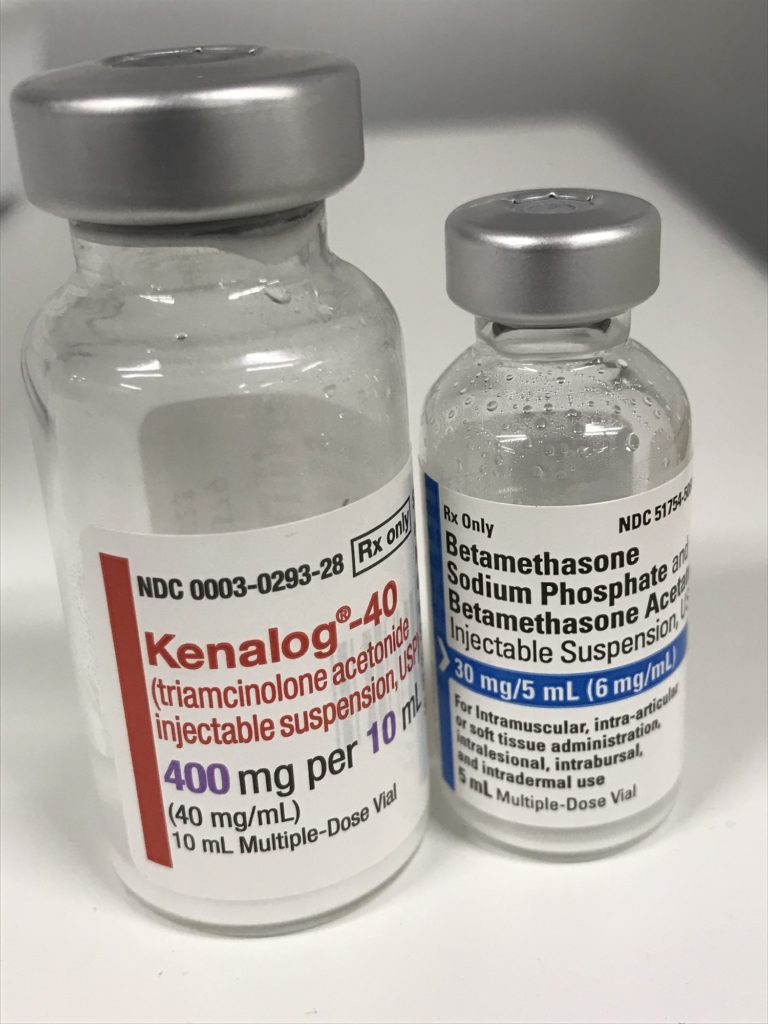
There are two main types of injections used in and around the shoulder, these include steroid medications, which are the most common and PRP or “platelet rich plasma”.

Steroid is a type of medication that is used very frequently in medicine. Some forms of steroid are taken by mouth, some are used through an IV, and others are made to be injected into different locations, including into and around the shoulder joint. Steroids are actually naturally occurring, meaning that we normally have steroid in our body, but the type that is used for injections are slightly different and are made in a laboratory. Steroids work through the inflammation pathway, blocking several molecules that lead to inflammation, redness and pain. Therefore, they are very helpful for treating painful orthopedic conditions.

Dr. Johnny T. Nelson uses steroids for two main reasons in and around the shoulder.

The first reason is if the patient is in severe pain, sometimes this pain is so severe that the patient is not able to start or participate in physical therapy which may be the best treatment for that pain. Also, patients can have pain that is so severe that they cannot sleep, and they cannot work and provide for themselves. If that is the case, the decision is sometimes made to perform a steroid injection.

However in some patients, such as patients with large rotator cuff tears that may require surgery, Dr. Nelson sometimes avoids steroids because there is evidence that steroids impedes and prevents the healing that is necessary after shoulder surgery and rotator cuff repair surgery(1).

The second reason Dr. Nelson uses steroids is to identify the actual cause of your pain. Because there are so many structures in and around the shoulder that can cause pain, sometimes even with imaging, physical examination performed by your orthopedic surgeon, the actual cause of your pain may be unclear. A steroid injection around a structure may help to define or eliminate whether that structure is the cause of the pain. For example, Dr. Nelson often performs injections around the biceps tendon sheath under ultrasound, if the patient’s pain improves, it is very likely the biceps tendon is a cause of the pain.

Okay, what about platelet rich plasma?

Platelet rich plasma is a new technology that shows a lot of promise. Certain patients with certain problems around the shoulder can be candidates for platelet rich plasma therapy. These include patients with bad bursitis, inflammation, partial tearing of the rotator cuff, and even arthritis. Although the evidence for effectiveness of platelet rich plasma is limited because the technology is so new, it is a good nonsurgical treatment method to try in some situations.

Although platelet rich plasma is not usually covered by insurance, it is a simple process. It requires taking some of your own blood, spinning it down in a machine, and taking the portion of the blood that contains many special growth factors and other molecules and injecting it around the area that is painful and inflamed. This platelet rich plasma injection triggers an inflammatory response that after several weeks will quiet down, leaving the inflamed and painful area more quiet, healed, and less painful.

If you are having shoulder pain, call 919-872-5296 to schedule a visit with shoulder specialist Dr. Johnny Nelson. Before you see your primary care doctor, physical therapist, chiropractor, or other provider, it is important that you have a thorough history and physical examination by an orthopedic surgeon to establish the correct diagnosis!

References:
Puzzitiello RN, Patel BH, Nwachukwu BU, Allen AA, Forsythe B, Salzler MJ. Arthroscopy. 2020 May; 36(5):1468-1475. Epub 2019 Dec 17.

When Are Injections Used to Treat Shoulder Pain? Read More »

arent i too old for shoulder replacement 62767f6caf59a

“Aren’t I Too Old For Shoulder Replacement?”

arent i too old for shoulder replacement 62767f6caf59a

“Aren’t I too old for a shoulder replacement?”

This is a common way of thinking amongst older patients who struggle with chronic shoulder pain due to to things like arthritis and long-term rotator cuff tears.

But while it is very common, this way of thinking is actually based on several misconceptions about shoulder replacement surgery and the impact it can have on one’s quality of life.

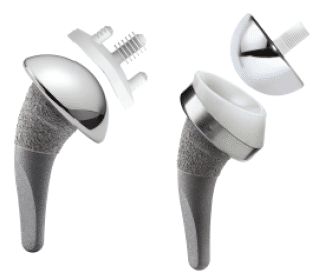
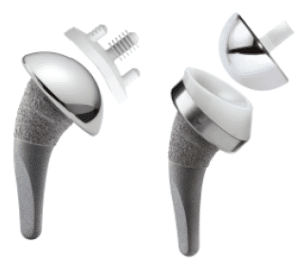
In fact, shoulder replacement surgeons such as Dr. Johnny Nelson believe that the overall benefits of shoulder replacement surgery are higher in older patients compared to younger patients.

Some of this is because any joint replacement, including shoulder replacements, have a limited life span.  Even if perfectly placed, shoulder replacement implants over time experience the same wearing tear that our normal joints experience over our life times.  Because of this, shoulder surgeons are less likely to recommend shoulder replacement on very young patients, even if the arthritis and pain is very severe.  Younger patients are more likely to wear out their shoulder replacements and require a second procedure.

Older patients are much less likely to have this problem.  This is because the needs and activities of older patients are very different from those of younger patients.  Older patients are much more likely to use their shoulders for simple, less strenuous activities: hygiene, dressing, cooking, etc. They are less likely to need their shoulders for heavy lifting, pushing, pulling and repetitive overhead motions. Therefore they are actually much better candidates for shoulder replacement surgery than younger patients because they are less likely to have complications with their implants.

Another reason why older patients are better candidates for shoulder replacement surgery is that the pain relieving benefits of shoulder replacement can be life-changing for them.  While younger patients with chronic shoulder pain certainly could benefit from shoulder replacement, they are less likely to lose their independence and rely on friends, family, and other loved ones for help.  Many older patients who struggle with chronic shoulder pain find it very difficult to stay independent, take care of themselves and maintain their living environments.  Those who do not receive proper treatment for their shoulder pain may find themselves increasingly dependent on others, even having to sell their homes and move into assisted living facilities or in with family. Many older patients who undergo shoulder replacement surgery are able to maintain or even improve their level of independence and quality of life due to the improved ability to use their once painful arm.

Are you struggling with chronic shoulder pain that is interfering your independence and quality of life? Schedule a visit with Dr. Johnny Nelson to see if shoulder replacement surgery could be a life-changing option for you!

“Aren’t I Too Old For Shoulder Replacement?” Read More »

Book An Appointment

* All indicated fields must be completed.
Please include non-medical questions and correspondence only.

Location Map: 3801 Wake Forest Road Raleigh, NC 27609
rue logo wt

OFFICE HOURS

Monday - Friday: 8:30 am - 4:30 pm

CONTACT US

Accessibility Toolbar

Scroll to Top