shoulder pain

Sling after surgery; how long?

How Long Do I Have To Wear My Sling after Shoulder Surgery?

How Long Do I Have To Wear My Sling after Shoulder Surgery?

If you are reading this, you have probably had shoulder pain for a long time. Perhaps you have tried many treatments to help this shoulder pain, including changing your activities, physical therapy, medicines and anti-inflammatories, or even injections. It is also possible that you had an MRI or ultrasound that showed a rotator cuff tear, and you may be considering surgery as an option to treat your shoulder pain for good.

A shoulder scope or “arthroscopy” procedure, like that performed by shoulder specialist Dr. Johnny T. Nelson, MD, is a time-tested procedure with excellent outcomes. After a period of healing, a very high percentage of patients are happy with their shoulder for the rest of their lives. However, there is a period of healing after the procedure where resting the arm and shoulder is very important.

And this is where a shoulder sling is very helpful.

Most patients who have shoulder surgery want to know how long they will have to wear their sling. This is an excellent question, since if you are wearing a sling, it isn’t easy to use the arm. If you are not able to use one arm, some activities such as dressing, going to the bathroom, driving a car, or working can be difficult.

In brief, the answer to this question depends on the type of surgery that is performed.

There are some shoulder scope procedures that are very simple. These can include “cleanout” procedures or procedures where the only problem is the biceps tendon or “labrum” around the socket. After these procedures, Dr. Johnny T. Nelson, MD, usually allows his patients to begin to use their operated arm for light activities like eating and drinking whenever they are comfortable doing so. This is because the things that were repaired or cleaned out in the shoulder do not need much protection.

Other shoulder procedures are more complex. Rotator cuff repair, for example, is much more complex and requires more healing time. If you have a small tear, Dr. Nelson may allow you to return to gentle activities with the operated arm 4 weeks after the procedure. For very large tears or “redo” operations, Dr. Nelson may request that you avoid using the arm for up to 6 weeks!

For this reason, it is important to discuss your shoulder procedure with your shoulder surgeon. Raleigh, North Carolina, shoulder specialist Johnny T. Nelson, MD, spends time discussing the healing process with every patient who decides to undergo a shoulder procedure. How long he would have to wear your sling after shoulder surgery depends on the problem that you have and what type of procedure needs to be performed.

Do you have shoulder pain? Are you worried that you have a rotator cuff tear? Call 919-872-5296 today to schedule a visit with Dr. Johnny T. Nelson, MD, at Raleigh, North Carolina Shoulder Specialist!

How Long Do I Have To Wear My Sling after Shoulder Surgery? Read More »

shoulderpainquestion

I Have Shoulder Pain: Who Should I See?

I Have Shoulder Pain: Who Should I See?

Studies estimate that about 15% of people experience shoulder pain at any given time.  Are you one of those people?

If you are, you may be confused about where to go.  You might feel tempted to start research online, or watch online videos to try and figure out why you are hurting.  You may consider seeing your primary care doctor or a trusted physical therapist or chiropractor.

Many of these options are acceptable starting points.  However, if you want to improve your chances of receiving a very clear answer about why your shoulder is hurting, it is best to start with an orthopedic shoulder specialist.

An orthopedic shoulder specialist also improves your chances of getting back to life without shoulder pain!

First, it is essential to understand the role of a shoulder specialist.  It is true that a shoulder specialist, such as Dr. Johnny T. Nelson, MD, is a highly trained in skilled shoulder surgeon.  However, seeing a shoulder surgeon does not always mean you will receive an operation!

Fellowship-trained shoulder specialists spend more time and effort studying the shoulder, including anatomy, diseases, and surgical and nonsurgical treatments than anyone else.  No other field of medical providers has such in-depth knowledge of the shoulder or its problems.  Because of this, an orthopedic shoulder specialist like Dr. Nelson is much more likely to make the correct diagnosis right away.  Not only does he have the most training and expertise, but also has more tools at his disposal, including physical examination, ultrasound scanning, and the ability to order and interpret tests such as x-rays and MRI scans.

Once your shoulder specialist makes the correct diagnosis, then he will discuss with you different treatment options.  These treatment options include everything from continued watchful waiting or “observation,” physical therapy, oral medications and anti-inflammatories, chiropractic care, home exercises, injections such as steroids or platelet rich plasma, or surgery.  Often, orthopedic shoulder specialists will send you to a top performing physical therapist or chiropractor because they know you and the shoulder problem that you are having will respond well.

In conclusion, to get the “biggest bang for your buck,” start with an orthopedic shoulder specialist such as Dr. Johnny T. Nelson, MD.  Dr. Nelson is North Carolina’s shoulder expert and includes ultrasound in the diagnosis of most shoulder problems.  If you have shoulder pain, call 919-872-5296 today to schedule your visit!

I Have Shoulder Pain: Who Should I See? Read More »

shouldersurgdoesithurt

How Much Pain Will I Have after Shoulder Surgery?

How Much Pain Will I Have after Shoulder Surgery?

If you are like most Americans, you have a very high risk of having shoulder pain at some time in your life.

If you have a rotator cuff tear, shoulder instability, or labral tear, you may even be considering shoulder surgery.  You probably know someone with a history of shoulder surgery.  It is possible that they told you about their experience, what was performed during the surgery, the healing after the surgery, the rehabilitation process, or how they are feeling now.

Or perhaps they told you how painful it was!

If they did, and you are feeling nervous about having shoulder surgery or a shoulder operation, consider a visit with Dr. Johnny T. Nelson, MD, a Raleigh, North Carolina, shoulder specialist.

Dr. Nelson specializes in shoulder surgery.  This means that he has special training and shoulder surgery and performs more shoulder procedures than most orthopedic surgeons.  It also means that he devoted special time to improving the care of patients who have shoulder pain and shoulder problems.  And one very important aspect of this care is making his patients more comfortable!

If you speak with one of Dr. Nelson’s patients or watch some of his online video testimonials, you will notice that patients mention how little pain they have after the operation.  In addition to modern nerve blocks, Dr. Nelson recommends a special regimen of oral medicines before and after shoulder surgery that have been proven to reduce pain levels.

Many patients do not even need any pain medication at all!

For example, one patient had 3 prior operations on both shoulders, and reports that his fourth operation, the only operation performed by Dr. Nelson, was nearly painless compared to the others.

If you have shoulder pain or are considering shoulder surgery, call 919-872-5296 today to schedule your visit with Dr. Johnny T. Nelson, MD, Raleigh North Carolina shoulder specialis

How Much Pain Will I Have after Shoulder Surgery? Read More »

My Shoulder MRI Is Normal. Could There Still Be Something Wrong?

My Shoulder MRI Is Normal. Could There Still Be Something Wrong?

My Shoulder MRI Is Normal. Could There Still Be Something Wrong?

No imaging study is perfect. This is very important to understand when it comes to “MRI” studies of the shoulder.

Many patients with shoulder pain will try many treatments to make their pain better, including changing their activities, physical therapy, anti-inflammatory and other medications, and chiropractic adjustment. Often, these treatments can be successful, but when they are not and the pain continues, an MRI study may be helpful to look for a cause of the shoulder pain.

But sometimes even though your shoulder hurts, the MRI looks normal. How can this be?

It is very important to understand that an MRI, much like a photograph, is only a single “glimpse” of one moment in time. It does not show what happens to the structures of the shoulder, such as the rotator cuff, biceps, and labrum, during actual movement of the shoulder.

In other words, an MRI is like a photograph while you actually need a video recording to see the problem!

This is another reason why ultrasound is very helpful. Ultrasound can evaluate the structures of the shoulder during movement. The shoulder can also be re-positioned and structures can be looked at more closely with a simple movement of the ultrasound probe. Dr. Johnny T. Nelson, MD is the only fellowship trained shoulder specialist in the Raleigh Durham North Carolina area that uses ultrasound during clinic visits to evaluate the rotator cuff and other structures in the shoulder.

Because MRI studies can miss tears and other problems in the shoulder, there are situations where patients decide to move forward with a shoulder scope procedure even though very little is found on the MRI. Often in these situations, sizable tears are found in the rotator cuff, even though the MRI was normal! This is well-documented in the medical literature.

If you have had an MRI study of your shoulder and would like to have Dr. Johnny T. Nelson, MD review the MRI and examine your shoulder, call 919-872-5296 today to schedule a visit with North Carolina’s rotator cuff repair specialist!


My Shoulder MRI Is Normal. Could There Still Be Something Wrong? Read More »

Why Is It Important for a Shoulder Specialist to Use Ultrasound?

Why Is It Important for a Shoulder Specialist to Use Ultrasound?

If you are reading this, it is likely that you or someone you know has shoulder pain. It is possible that you tried treatments to improve your shoulder pain without success and are considering a visit with an orthopedic shoulder specialist.

This is certainly a good place to start.

An orthopedic shoulder specialist is expert in the evaluation, diagnosis, and treatment of all shoulder problems including rotator cuff tears, bursitis, instability, and biceps problems. An orthopedic specialist can order and read x-rays, CT scans, MRI studies and has more in-depth knowledge of the shoulder and shoulder problems than any other healthcare provider, including primary care physicians, physical therapists, chiropractors, and nonsurgical sports medicine doctors. Not only can an orthopedic shoulder specialist evaluate your shoulder, but they also provide treatment. It is also important to know that a visit with an orthopedic shoulder specialist does not always mean you will have surgery.

But there are many options out there! It is important that you see a shoulder specialist that uses ultrasound as part of evaluation and treatment of shoulder pain.

If you live in North Carolina, you are in luck! Dr. Johnny T. Nelson, MD is one of those shoulder specialists!

At The Bone and Joint Surgery Clinic, Dr. Johnny Nelson has state-of-the-art ultrasound equipment that allows a high-resolution scan of the rotator cuff and other structures in the shoulder. Along with a physical exam, x-rays, and a short discussion, Dr. Nelson can give you important information about the cause of your shoulder pain.

Doctors that do not use ultrasound are not able to see or evaluate the rotator cuff at the time of evaluation. This often requires an MRI study, which insurance companies will often deny, are expensive, require complicated scheduling, and multiple other visits to obtain. As a result, patients with big rotator cuff tears may possibly be treated with physical therapy, injections, or observation when they should be undergoing rotator cuff repair.

Dr. Johnny T. Nelson is also able to use ultrasound to perform targeted injections that are not possible without ultrasound. These include biceps injections and suprascapular nerve injections, which can be very helpful and more effective than “traditional” blind injections performed without ultrasound.

Do you have shoulder pain? Are you worried that you have a rotator cuff tear? Call 919-872-5296 today to schedule a visit with Dr. Johnny T. Nelson, MD, Raleigh North Carolina shoulder specialist.

Why Is It Important for a Shoulder Specialist to Use Ultrasound? Read More »

Image 2 15 24 at 1.25 PM (1)

When Can I Get Back to Work After Rotator Cuff Repair?

Image 2 15 24 at 1.25 PM
A rotator cuff tear before repair

Return to work after rotator cuff repair.

You have a painful rotator cuff tear.  You try oral medications and anti-inflammatories, physical therapy, chiropractic care, watchful waiting, massage therapy. You change your diet and lower your sugar intake.  You try regenerative therapies like PRP injections.

You try everything, and yet still you have pain.

The answer is clear. While discussing with your orthopedic shoulder specialist, rotator cuff repair is your best and only option to get you back to living and loving your life.

Yes, a well-trained shoulder specialist such as Dr. Johnny T. Nelson, MD is able to repair your rotator cuff.  But what does this mean for you?  How will your life be affected?

One of the most frequent questions that patient’s ask while discussing rotator cuff repair is:

When can I get back to work?

Image 2 15 24 at 1.25 PM (1)
A rotator cuff tear after repair.

This is not a simple question, and ultimately the answer is usually different for every patient.  That is why it is very important to have a personal, one-on-one visit with your orthopedic shoulder specialist.

But if you are alone, searching for guidance and  answers to this question, here are some pointers.

Rotator cuff repair procedure is always done as an outpatient, meaning you will go home the same day that the procedure is performed.  No lengthy hospitalization is necessary.  You will be back home, resting and healing in your home environment on the day of the procedure. More information about the healing process after shoulder arthroscopy can be found here.

But you cannot return to work after rotator cuff repair immediately.

You will need at least one week of strict rest, mostly spent lying down with ice on your shoulder allowing the swelling to subside.  While this process under the guidance of Dr. Nelson’s protocol not very painful, it is important that you have at least one week devoted to rest of the shoulder and the entire body.  During this time, of course it is okay to get up and walk, go from one room to the other, and go on simple short excursions outside the home.  It is also important that you move your hand, wrist, and elbow.

But the first week after the procedure is certainly not a time to return to work, no matter what you do.

After 1 week, most patients are able to sit up comfortably.  For some patients, they are comfortable enough to sit at a desk or a computer, answer phone calls, and talk for extended periods on the phone.  Therefore, some patients may be able to return to work at 1 week or 2 weeks if they do mostly sitdown, desk type work.

But even in these situations, you may require a shortened shift or periods of rest. So it is very important that your employer is comfortable with you using such accommodations.

Depending on the shoulder procedure that you had done, some patients must keep their arm strictly without movement, such as a rotator cuff repair.  For other surgeries on the shoulder where rotator cuff repair is not performed, patients return to using their hand for waist level and gentle activities as soon as they can tolerate it.  However, this does not mean that the patient returns to repetitive use or any forceful gripping, pushing, or pulling.

Are you having a rotator cuff repair? Plan out enough time for healing.  Many patients are able to return to desk work at 1 to 2 weeks while wearing their sling. But some other patients may not be comfortable enough to do so.

If you work heavy labor, you will not be able to return to full work for 4 to 6 months.


You can probably return to work wearing your sling and without use of the operated arm 4 weeks after surgery. However, the use of the operated arm to push, pull, or perform any heavy lifting or climbing is not allowed for 4 to 6 months.  This can be a long time to stay out of work. But it is absolutely essential that you do not perform heavy work with a newly repaired rotator cuff.

Do you have a rotator cuff tear?  You need to learn more about your options. You need to discuss the healing process with an experienced shoulder specialist.  Dr. Johnny T. Nelson, MD is a shoulder surgeon serving patients in Raleigh, Durham, Chapel Hill, Garner, Knightdale, Cary, and all of North Carolina.  Call 919-872-5296 today to schedule a consultation.

When Can I Get Back to Work After Rotator Cuff Repair? Read More »
when are injections used to treat shoulder pain 62767f972a339

When Are Injections Used to Treat Shoulder Pain?

when are injections used to treat shoulder pain 62767f972a339

When Are Injections Used To Treat Shoulder Pain?

The answer to this question depends on the cause of your shoulder pain as well as the type of injection being considered.

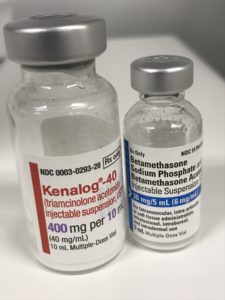
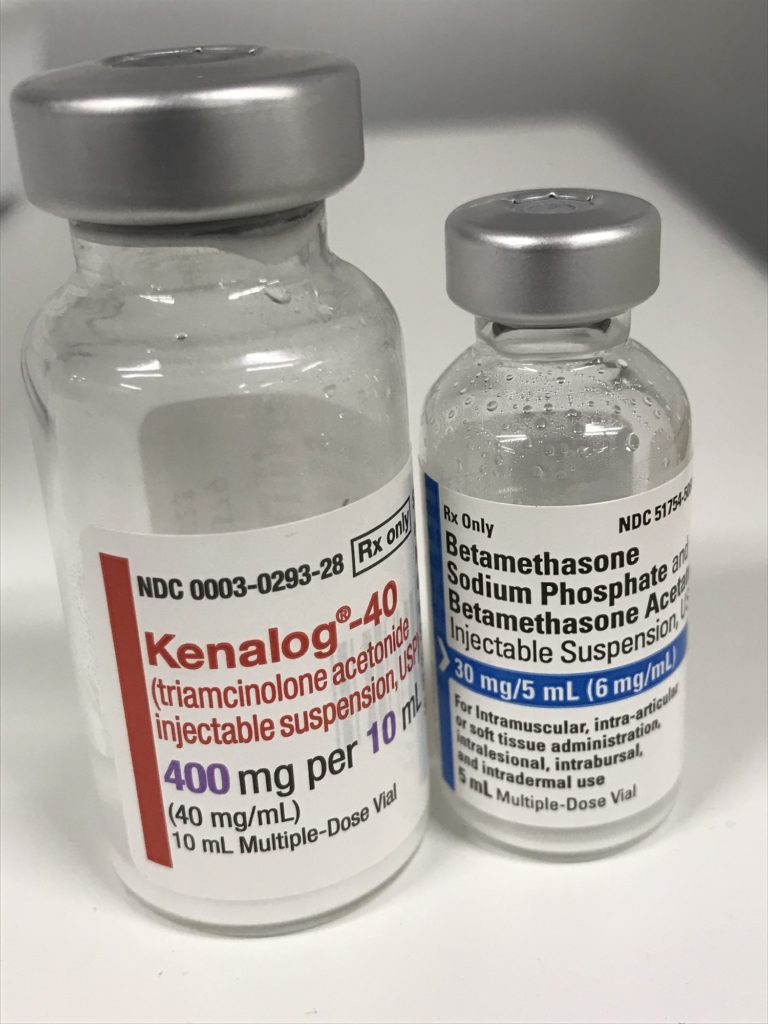
There are two main types of injections used in and around the shoulder, these include steroid medications, which are the most common and PRP or “platelet rich plasma”.

Steroid is a type of medication that is used very frequently in medicine. Some forms of steroid are taken by mouth, some are used through an IV, and others are made to be injected into different locations, including into and around the shoulder joint. Steroids are actually naturally occurring, meaning that we normally have steroid in our body, but the type that is used for injections are slightly different and are made in a laboratory. Steroids work through the inflammation pathway, blocking several molecules that lead to inflammation, redness and pain. Therefore, they are very helpful for treating painful orthopedic conditions.

Dr. Johnny T. Nelson uses steroids for two main reasons in and around the shoulder.

The first reason is if the patient is in severe pain, sometimes this pain is so severe that the patient is not able to start or participate in physical therapy which may be the best treatment for that pain. Also, patients can have pain that is so severe that they cannot sleep, and they cannot work and provide for themselves. If that is the case, the decision is sometimes made to perform a steroid injection.

However in some patients, such as patients with large rotator cuff tears that may require surgery, Dr. Nelson sometimes avoids steroids because there is evidence that steroids impedes and prevents the healing that is necessary after shoulder surgery and rotator cuff repair surgery(1).

The second reason Dr. Nelson uses steroids is to identify the actual cause of your pain. Because there are so many structures in and around the shoulder that can cause pain, sometimes even with imaging, physical examination performed by your orthopedic surgeon, the actual cause of your pain may be unclear. A steroid injection around a structure may help to define or eliminate whether that structure is the cause of the pain. For example, Dr. Nelson often performs injections around the biceps tendon sheath under ultrasound, if the patient’s pain improves, it is very likely the biceps tendon is a cause of the pain.

Okay, what about platelet rich plasma?

Platelet rich plasma is a new technology that shows a lot of promise. Certain patients with certain problems around the shoulder can be candidates for platelet rich plasma therapy. These include patients with bad bursitis, inflammation, partial tearing of the rotator cuff, and even arthritis. Although the evidence for effectiveness of platelet rich plasma is limited because the technology is so new, it is a good nonsurgical treatment method to try in some situations.

Although platelet rich plasma is not usually covered by insurance, it is a simple process. It requires taking some of your own blood, spinning it down in a machine, and taking the portion of the blood that contains many special growth factors and other molecules and injecting it around the area that is painful and inflamed. This platelet rich plasma injection triggers an inflammatory response that after several weeks will quiet down, leaving the inflamed and painful area more quiet, healed, and less painful.

If you are having shoulder pain, call 919-872-5296 to schedule a visit with shoulder specialist Dr. Johnny Nelson. Before you see your primary care doctor, physical therapist, chiropractor, or other provider, it is important that you have a thorough history and physical examination by an orthopedic surgeon to establish the correct diagnosis!

References:
Puzzitiello RN, Patel BH, Nwachukwu BU, Allen AA, Forsythe B, Salzler MJ. Arthroscopy. 2020 May; 36(5):1468-1475. Epub 2019 Dec 17.

When Are Injections Used to Treat Shoulder Pain? Read More »

how are shoulder pain and neck pain related 62767f8e28a61

How are Shoulder Pain and Neck Pain Related?

how are shoulder pain and neck pain related 62767f8e28a61

Patients that have pain in the shoulder often will also have pain in their neck, and vice versa. Patients with neck pain may also have an experience pain in their shoulder.

This highlights the importance of beginning your treatment for musculoskeletal pain with an orthopedic surgeon who is an expert in evaluation and diagnosis of musculoskeletal problems and injuries.

So how exactly are neck pain and shoulder pain related?

The first way that they are related is by something called splinting. Patients that have pain originating in the shoulder joint, whether it is caused by inflammation, biceps tendon problems, arthritis, or rotator cuff conditions, will often perform splinting.

Splinting is an activity that we often perform without even knowing it.

Most people think of a splint as an object that we put on, but is also thing that we do. When we have pain in a certain joint, we can use the muscles that are attached in and around that joint to hold the joint still so that it hurts less. This is called splinting.

When the shoulder is painful, it is not uncommon to use the muscles at the base of the neck, the chest muscles, back muscles, and even muscles in your armpit to hold the shoulder still so that it does not hurt you. In the short-term this may make your shoulder feel better, however in the long-term it can cause harm because those muscles will eventually grow tired, experience spasm, and begin to cause pain themselves.

How else are shoulder and neck pain related?

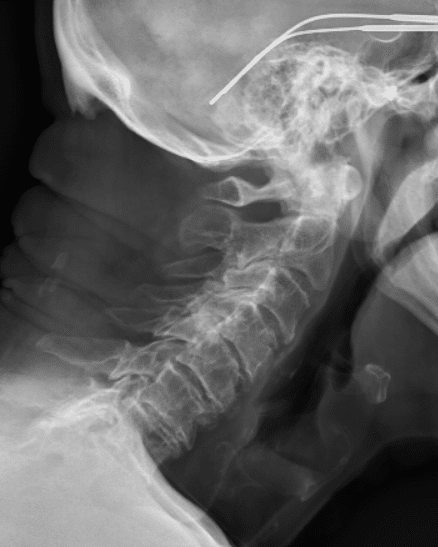
Another way that neck and shoulder pain are related is that problems in the neck can often mimic shoulder pain. Because the nerves that come out of the neck send signals to and from the shoulder joint, problems such as pinching of those nerves in the neck can often be experienced by the patient as shoulder problems and shoulder pain rather than as nerve problems and nerve pain.

This is why a physical examination by a qualified orthopedic surgeon is of utmost importance.

Orthopedic surgeons are experts at distinguishing between pain that is truly originating in your shoulder and pain that is likely originating at the level of the neck. There are also experts at knowing what the next step is necessary, whether further imaging or surgery is necessary, or whether simple watchful waiting, physical therapy, chiropractic care, and anti-inflammatories is okay.

If you have shoulder pain, even if you have pain radiating into your neck, your back, or numbness and tingling traveling down your arm, a visit with an orthopedic shoulder and upper extremity specialist is a good first starting point to get answers and relief.

Call at 919-872-5296 to book an appointment with Dr. Johnny T. Nelson.

How are Shoulder Pain and Neck Pain Related? Read More »

will injections fix my shoulder elbow or hand problem 62767f776633c

Will Injections Fix my Shoulder, Elbow, or Hand Problem?

will injections fix my shoulder elbow or hand problem 62767f776633cWill injections fix my shoulder, elbow, or hand problem?
Steroid injections are commonly used in the treatment of shoulder, elbow and hand problems. As a result, there is some confusion about what these injections actually do for different conditions.

As a general rule, orthopedic surgeons such as Dr. Nelson use steroid injections for 3 main reasons:

1) To completely cure a condition, now and forever

2) To help relieve inflammation and pain that is unbearable for the patient, even if temporary

3) To help clarify exactly what condition the patient has and what structure is bothering them

What conditions can be completely cured with steroid injections?

Although we can never know and predict with 100% certainty that the steroid injection will cure a certain patient’s condition, we know that some conditions can be cured with a steroid injection. Problems that have high rates of cure with injection include tendinitis around the hand and wrist, including trigger finger. Problems with lower rates of cure include tennis and golfer’s elbow and shoulder biceps tendinitis, for example. Of course, the steroid injections are often administered along with recommendations for a period of rest, possibly bracing and icing, or physical therapy, which also may help the condition resolve.

Okay, so what conditions cannot be cured with steroid injections?

One of the most common reasons to perform injections around joints is arthritis, or wear and tear of the joint surface. It is important to understand that the steroid injection does not fix or reverse the arthritis. Arthritis is always there, and in fact tends to progress with time, no matter what you do. The main reason to perform injections for problems like wrist, hand, or shoulder arthritis is to “kick the can down the road,” temporarily reducing pain so that the patient can remain active, participate in physical therapy, and avoid resorting to surgical intervention.

Nerve problems also usually cannot be cured with steroid injections. For example, carpal tunnel syndrome is very common, and injections are often used to help reduce patient’s symptoms, especially if the carpal tunnel syndrome is due to a new or recent activity and the patient is not able to undergo a carpal tunnel release. But usually the carpal tunnel symptoms will usually return after a time.

So how can injections help clarify the cause of pain?

Sometimes even the best orthopedic surgeon has difficulty knowing with 100% certainty what structure is the cause of pain, or what the correct diagnosis is. Sometimes a good option is to perform an injection to clarify if a certain structure is the cause of pain. If an injection of steroid around the structure make the pain go away, even for a short time, this tells the patient and surgeon the injected structure is likely the cause. We also know that patients who have relief of their carpal tunnel symptoms, even temporarily, after injections are very likely to respond favorably to a carpal tunnel release with permanent relief of their symptoms.

Will Injections Fix my Shoulder, Elbow, or Hand Problem? Read More »

arent i too old for shoulder replacement 62767f6caf59a

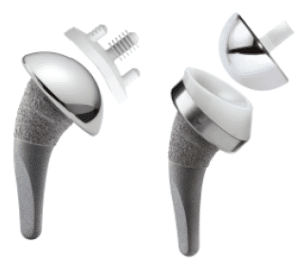
“Aren’t I Too Old For Shoulder Replacement?”

arent i too old for shoulder replacement 62767f6caf59a

“Aren’t I too old for a shoulder replacement?”

This is a common way of thinking amongst older patients who struggle with chronic shoulder pain due to to things like arthritis and long-term rotator cuff tears.

But while it is very common, this way of thinking is actually based on several misconceptions about shoulder replacement surgery and the impact it can have on one’s quality of life.

In fact, shoulder replacement surgeons such as Dr. Johnny Nelson believe that the overall benefits of shoulder replacement surgery are higher in older patients compared to younger patients.

Some of this is because any joint replacement, including shoulder replacements, have a limited life span.  Even if perfectly placed, shoulder replacement implants over time experience the same wearing tear that our normal joints experience over our life times.  Because of this, shoulder surgeons are less likely to recommend shoulder replacement on very young patients, even if the arthritis and pain is very severe.  Younger patients are more likely to wear out their shoulder replacements and require a second procedure.

Older patients are much less likely to have this problem.  This is because the needs and activities of older patients are very different from those of younger patients.  Older patients are much more likely to use their shoulders for simple, less strenuous activities: hygiene, dressing, cooking, etc. They are less likely to need their shoulders for heavy lifting, pushing, pulling and repetitive overhead motions. Therefore they are actually much better candidates for shoulder replacement surgery than younger patients because they are less likely to have complications with their implants.

Another reason why older patients are better candidates for shoulder replacement surgery is that the pain relieving benefits of shoulder replacement can be life-changing for them.  While younger patients with chronic shoulder pain certainly could benefit from shoulder replacement, they are less likely to lose their independence and rely on friends, family, and other loved ones for help.  Many older patients who struggle with chronic shoulder pain find it very difficult to stay independent, take care of themselves and maintain their living environments.  Those who do not receive proper treatment for their shoulder pain may find themselves increasingly dependent on others, even having to sell their homes and move into assisted living facilities or in with family. Many older patients who undergo shoulder replacement surgery are able to maintain or even improve their level of independence and quality of life due to the improved ability to use their once painful arm.

Are you struggling with chronic shoulder pain that is interfering your independence and quality of life? Schedule a visit with Dr. Johnny Nelson to see if shoulder replacement surgery could be a life-changing option for you!

“Aren’t I Too Old For Shoulder Replacement?” Read More »

Book An Appointment

* All indicated fields must be completed.
Please include non-medical questions and correspondence only.

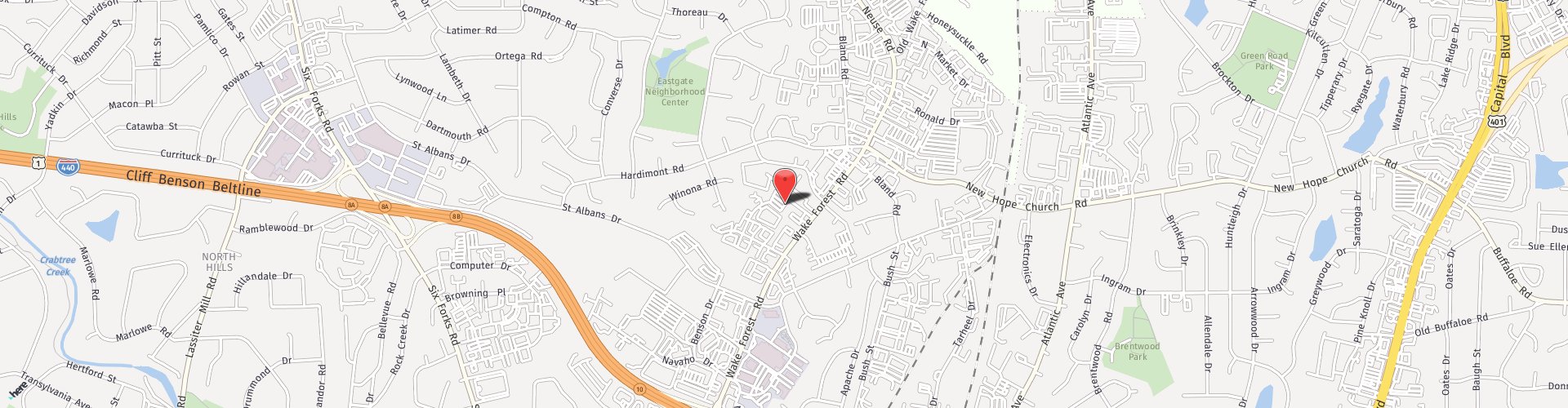
Location Map: 3801 Wake Forest Road Raleigh, NC 27609
rue logo wt

OFFICE HOURS

Monday - Friday: 8:30 am - 4:30 pm

CONTACT US

Accessibility Toolbar

Scroll to Top